Challenging the status quo to build an economy that works for people and planet takes more than intent — it takes leadership, collaboration, and a willingness to bring others along. That’s what we mean when we say B Corps are leading the way: not racing ahead in silos, but actively setting the pace for what better looks like.
One of the most powerful ways this shows up is through openness — sharing real experiences, lessons, and progress to help others move forward too. In that spirit, and to celebrate their recent recertification, we spoke with two local B Corps, Dog and Bone and Portable, about how they are further deepening their impact since last certification.
We’d be remiss not to mention, that what makes this catch up even more special is the fact that, this year, both businesses celebrate a decade of certification.
For a refresher on what it means to recertify, head to our recertification guide. But first, let’s hear more about the good work going on behind the scenes at Dog and Bone and Portable.
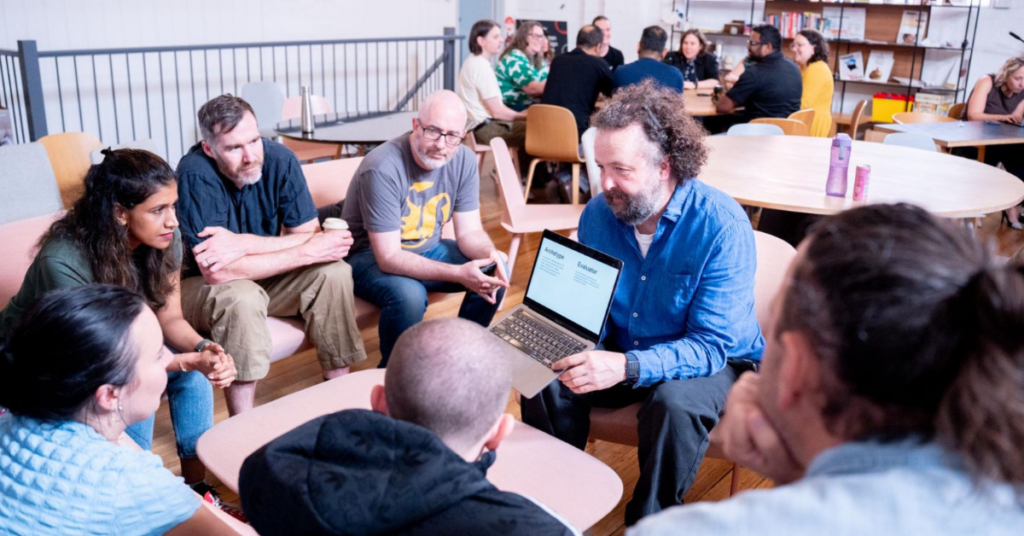
Image: Portable
Inside Dog and Bone’s pro-bono work and Impact Program
The technology advisors at Dog and Bone empower purpose-driven organisations and not-for-profits to make smarter, more impactful use of technology.
Reflecting on its impact journey over the past few years, Dog and Bone says, “The most significant change has been the expansion of our Impact Program, growing from supporting a small number of organisations each year to more than 50 not-for-profits in a single financial year.” By way of pro bono and discounted support and resources, this initiative helps not-for-profits make the most of their technology and maximise their impact. “This has broadened access to our consulting services, particularly for organisations where funding is tight.”
The Victoria-based B Corp explains that expanding the program was just one piece of the puzzle — measuring resulting impact was going to be key too. “Without measurement,” says the team, “pro bono work can easily become anecdotal or underrepresented”.
“Our goal for recertification was not just to do more good work, but to demonstrate how that work directly supports our purpose: making technology work for organisations that improve the world.”
— Dog and Bone
Looking ahead, this team’s focus is locked on continuing to capture this impact, and expand on what is already working. “As a small tech consulting business, our growth is steady and deliberate. Our priority is to continue to provide support to not-for-profit and for-purpose sectors including disability, aged care, children’s services and family violence, through our pro bono consulting and telco management clients.”
“We will also continue to support grassroots initiatives where our contribution can have a meaningful effect. This includes projects such as funding building supplies for a health clinic in a remote community in Vanuatu and supporting access to solar power and satellite internet for a remote island community in the Solomon Islands.”
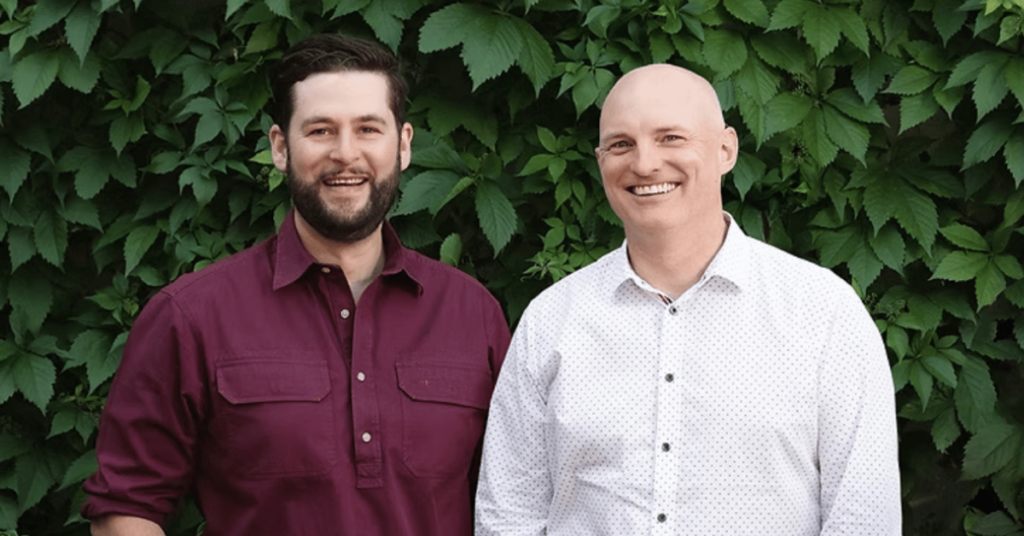
Image: Dog and Bone
How Portable helps its team create sustainable change at home
Portable, also based in Victoria, is a purpose-driven research, design, and technology B Corp, working with Australian businesses, organisations, and government to drive transformational change that has a real impact on real people.
“We believe that government, organisations and businesses can be forces for good,” Portable shares online, speaking to the company’s overarching purpose. “But there’s a gap in their understanding of, and ability to meet, the expectations of those in need of positive change. Our job is to use design and technology to narrow that gap between those with the power and responsibility to make positive change, and those who need it.”
The company works to be a thought leader on the balance of embracing AI with consideration to environmental impacts and, in partnership with Greenfleet, works to offset 100% of its carbon emissions.
A self-described group of high-achievers, the Portable team say they’re always looking to push the possibilities of their impact. Recertification represented a chance to reflect on how they were putting their values into action.
“Of late we’ve placed particular importance on increasing our sustainability initiatives and so our increased score in this area was a particular win,” Portable told us. Exhibit A: Portable’s new internal grant, helping fund employee initiatives to improve their own sustainability. “The grant has already helped fund the removal of gas heaters, improved sealing and gap reduction, LED light upgrades, and improved water efficiency,” the team explains.
“We’d love to see our impact in [the] community and on clients grow in the next three years. After testing and trialing ways to push our own impact further, it would mean a lot to us if we could bring more people into the journey as well as learn from those around us. It will take all of us to create a world we’re proud and safe to live in.”
— Portable
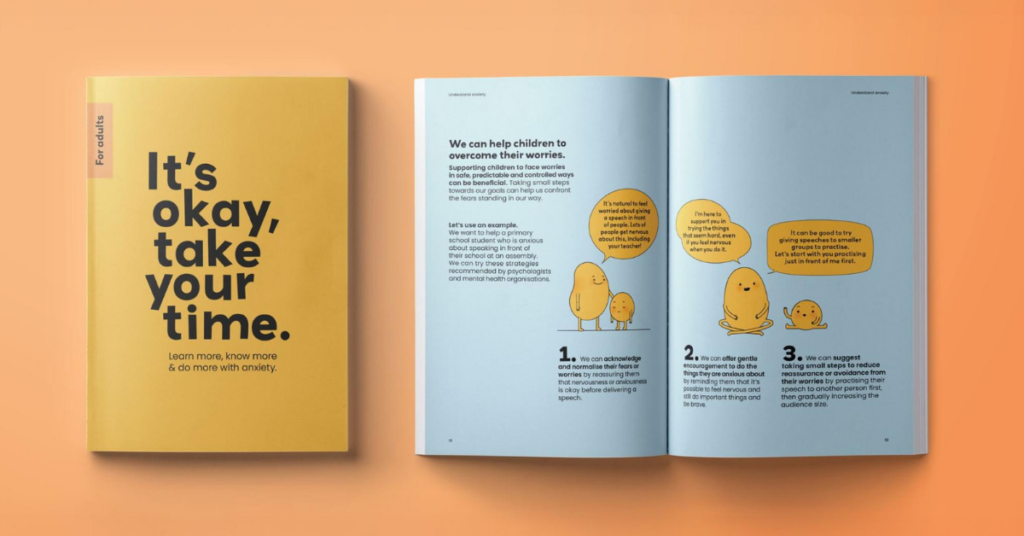
Image: Portable
Congratulations Dog and Bone and Portable on your recent B Corp milestones, and thank you for sharing your stories. Take a scroll through the blog for more inspiration, insights, and experiences from local B Corps. Or, for information on recertification in alignment with B Labs’s new standards, click here.
